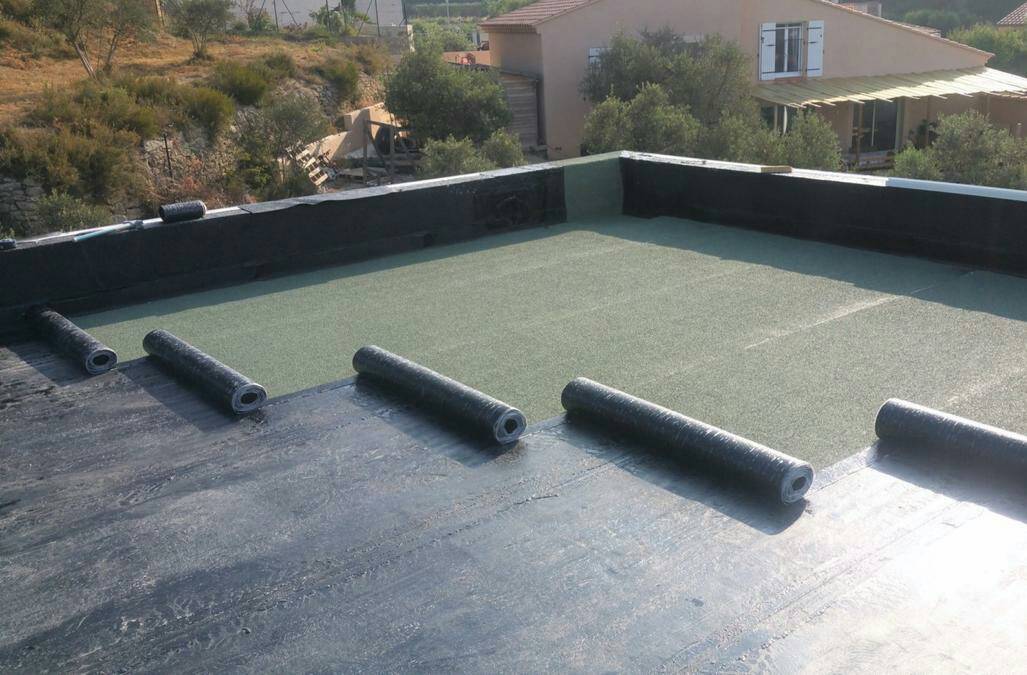
In the face of the growing climate crisis and increasing environmental challenges, the adoption of sustainable waterproofing solutions is becoming a priority for both building professionals and individuals. These solutions not only protect structures from water infiltration and weather damage but also play a significant role in reducing the carbon footprint of constructions. Among the available alternatives, eco-friendly waterproofing systems such as green roofs and biodegradable coatings offer an effective response to environmental concerns.
One of the main ecological advantages of sustainable waterproofing solutions is waste reduction. Unlike traditional products that require frequent replacement and generate non-recyclable waste, eco-friendly options are designed to last longer while minimizing environmental impact. For example, membranes made from recycled rubber or natural materials provide enhanced durability and can be reused or recycled at the end of their life cycle, contributing to more responsible resource management.
In addition, these systems contribute to building energy efficiency. Green roofs, in particular, act as natural insulators, reducing the need for heating and cooling. This leads to lower energy consumption and a decrease in greenhouse gas emissions. By integrating sustainable waterproofing solutions, buildings can improve their energy performance while providing enhanced thermal comfort to occupants.
Finally, eco-friendly waterproofing solutions promote biodiversity. Green roofs, for instance, create habitats for local wildlife, fostering biodiversity in urban areas. In addition to purifying the air by absorbing pollutants, these roofs help manage rainwater, reducing the risk of flooding and easing the burden on sewer systems. In sum, opting for sustainable waterproofing solutions is not only a step towards environmental protection but also supports more harmonious and resilient urban development.